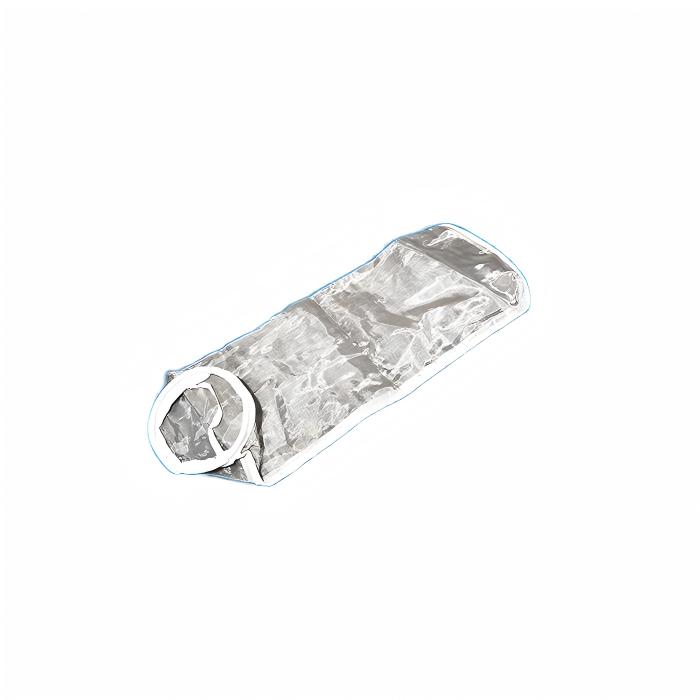
Stainless steel mesh filter bags:
A stainless steel mesh filter bag is a woven metal bag — usually SS304 or SS316L — that fits the same size 1 and size 2 housings as conventional fabric bags. Where felt and nylon media are consumables, a stainless steel mesh filter bag is a permanent element: it is cleaned, not replaced, and it survives temperatures, pressures and liquids that destroy polymer media.
Why Choose a Metal Filter Bag:
There are three situations where a reusable filter bag in metal wins outright. First, temperature: no polymer survives continuous service above roughly 150°C, while stainless steel mesh operates well past 400°C.
Second, fibre shedding: a woven metal bag releases no fibres into the filtrate, which matters in food, pharmaceutical and electronics processes.
Third, cost over time: one metal bag may replace hundreds of disposable bags across its service life.
Stainless Steel Mesh Filter Bag Micron Ratings:
Woven stainless mesh is rated by mesh count and by nominal micron opening. Common ratings are 25, 50, 100, 200, 400 and 800 micron.
A 100 micron stainless steel filter bag covers most hydraulic, coolant and water applications; 25 micron is the practical lower limit for single-layer woven mesh; and 200–800 micron bags are used for coarse protection of pumps, nozzles and heat exchangers.
For finer retention, multi-layer sintered mesh is used instead of single-layer weave.
SS304 or SS316L?:
SS304 covers general industrial filtration — water, oil, coolants and most neutral liquids.
Choose an SS316L filter bag when chlorides, seawater, strong acids, or hygienic requirements are involved; the molybdenum content resists pitting corrosion and the low carbon grade welds cleanly for food and pharmaceutical service.
Tell us your liquid chemistry and we will recommend the grade.
Mesh Filter Bag vs Felt Filter Bag:
Choose a mesh filter bag when temperature, pressure, chemical attack or fibre shedding rule fabric out, and when cleaning is feasible.
Choose felt or nylon when micron ratings below 25 micron are required, when the solid load is high and repeated cleaning would be impractical, or when the lowest possible unit price matters most.
Many plants use both: metal for rough, hot or aggressive duty, fabric for final clarification.