Providing high-efficiency filtration solutions for multiple industries.

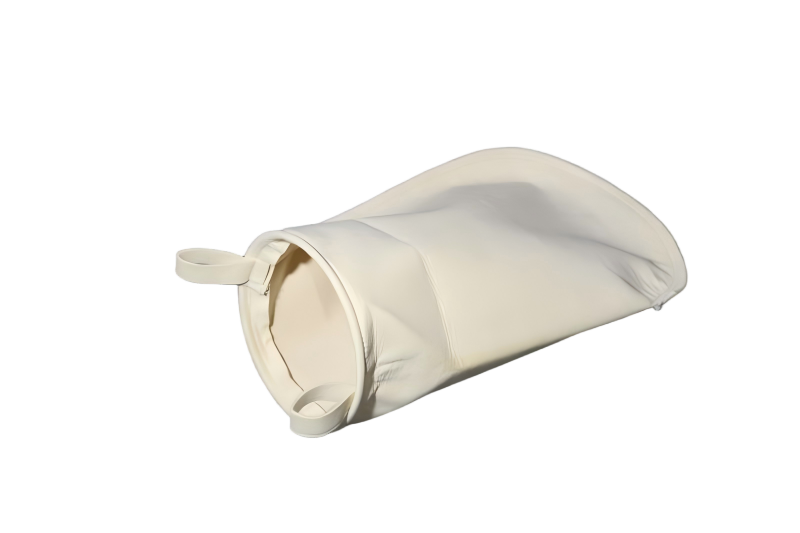
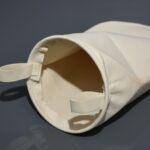
PPS liquid filter bag:
A PPS liquid filter bag is the economical answer to a narrow but expensive problem: filtering hot, chemically aggressive liquids that destroy PP, PE and nylon — without paying PTFE prices.
Made from polyphenylene sulfide needle felt, it runs at continuous temperatures up to 170°C and shrugs off most acids, alkalis and solvents.This PPS filter bag provides reliable service in hot, non-oxidizing chemical processes.
Where It Fits:
Media selection in hot liquid filtration usually ends in one of two bags: PTFE, which resists everything at a premium price, or a polymer that fails. PPS fills the middle ground. It is a high temperature liquid filter bag rated to 170°C — well above PP (90–100°C), PE (150°C) and nylon (140°C) — while costing a fraction of a PTFE bag. For non-oxidising hot chemistry, it is the rational choice.
Chemical Resistance:
The media resists non-oxidising mineral and organic acids, strong alkalis, and a wide range of solvents — and unlike nylon, there is no hydrolysis in hot water.
One boundary matters and we state it plainly: PPS is attacked by oxidising agents.
Nitric acid, hypochlorite, peroxide and chlorine chemistry are out — for those, PTFE is the correct media.
We would rather recommend the right bag than sell the wrong one.
Applications:
Typical uses include PPS filter bags for hot alkali washing and caustic recovery, chemical and petrochemical process streams, hot solvent and monomer filtration, glycol and thermal oil loops, condensate polishing in power plants, and hot filtration steps in API production where the liquid is corrosive but not oxidising.Choose a PPS filter bag for caustic recovery, solvent filtration and hot oil service up to 170°C.
PPS vs PTFE vs Nylon:
Nylon is the budget media for ambient-temperature water and oils — but it hydrolyses in hot water. PPS takes the same duty at 170°C with full hydrolysis resistance, at a mid-range price.
PTFE remains the media of record for oxidising acids and service beyond 170°C.
In short: hot and corrosive but non-oxidising, choose PPS; oxidising or above 200°C, choose PTFE; ambient and mild, nylon or PP costs less.